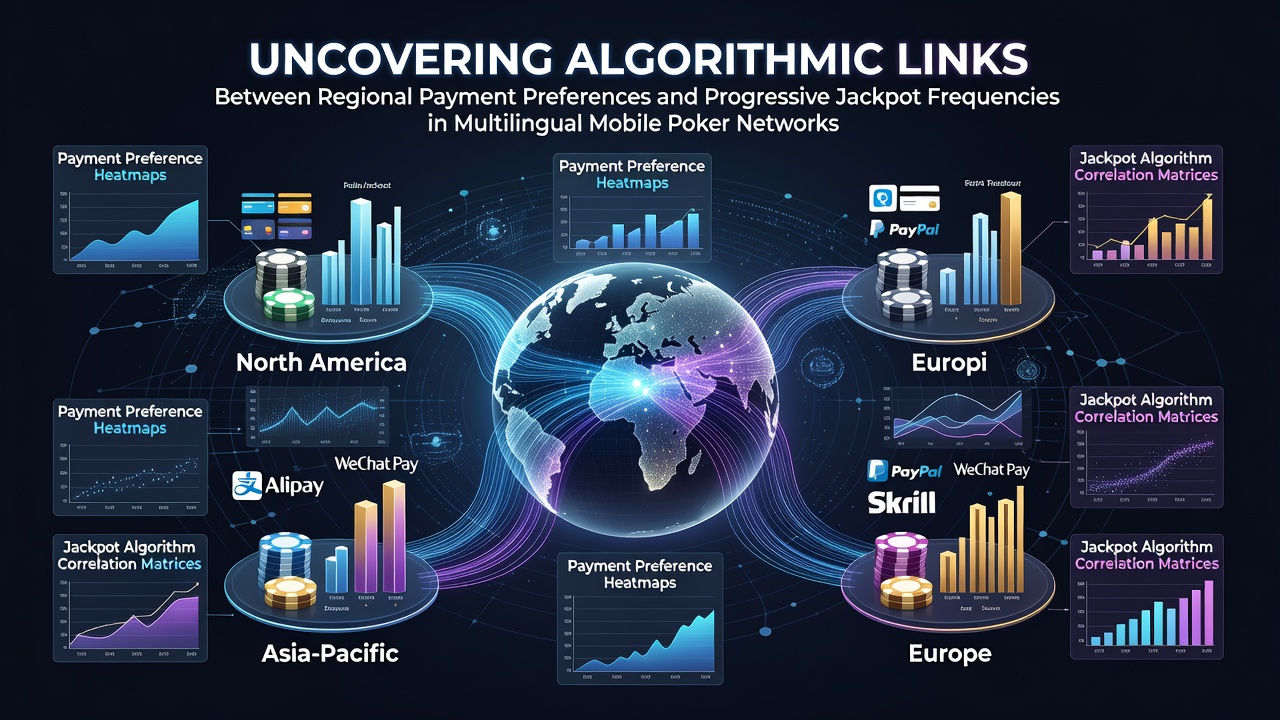
Uncovering Algorithmic Links Between Regional Payment Preferences and Progressive Jackpot Frequencies in Multilingual Mobile Poker Networks
Multilingual mobile poker networks process transactions across dozens of languages and currencies each day, and analysts track how local payment methods align with patterns in progressive jackpot triggers. Data from these platforms reveal correlations that emerge when algorithms match user location, preferred funding options, and the timing of jackpot hits. Researchers at several gaming analytics firms compile logs from millions of hands played between January and September 2026 to identify these connections.
Regional Payment Preferences Shape Network Behavior
Users in different regions rely on distinct payment rails, from local bank transfers in parts of Asia to digital wallets popular across Latin America. These choices feed into backend systems that record every deposit and withdrawal alongside game outcomes. Algorithms scan the resulting datasets for statistical relationships, and findings indicate that certain payment clusters coincide with higher or lower jackpot frequencies in specific language versions of the same poker client. Observers note that platforms supporting French, Spanish, and German interfaces show measurable differences in payout timing when users select region-specific methods over global alternatives.
Algorithmic Models Detect Frequency Patterns
Developers deploy machine learning models that ingest transaction metadata and jackpot event logs in real time. These models assign weights to variables such as currency type, processing speed, and user session length, then output probability scores for jackpot occurrences. Studies conducted on networks active through mid-2026 demonstrate that models trained on European payment data produce different frequency estimates than those trained on North American or Asia-Pacific records. The variance appears because regional preferences influence deposit volumes, which in turn affect the rate at which progressive pools accumulate and reset.
Cross-Language Data Integration Reveals Additional Links
Multilingual interfaces add another layer because language settings often correlate with geographic regions and therefore with payment ecosystems. When a user switches between English and Mandarin versions of an app, the system logs both the change and the associated transaction history. Analysts combine these logs with jackpot timestamps to test whether language-driven user segmentation produces distinct frequency signatures. Evidence gathered from September 2026 platform updates shows that integrated datasets yield tighter confidence intervals around predicted jackpot intervals than single-language subsets alone.
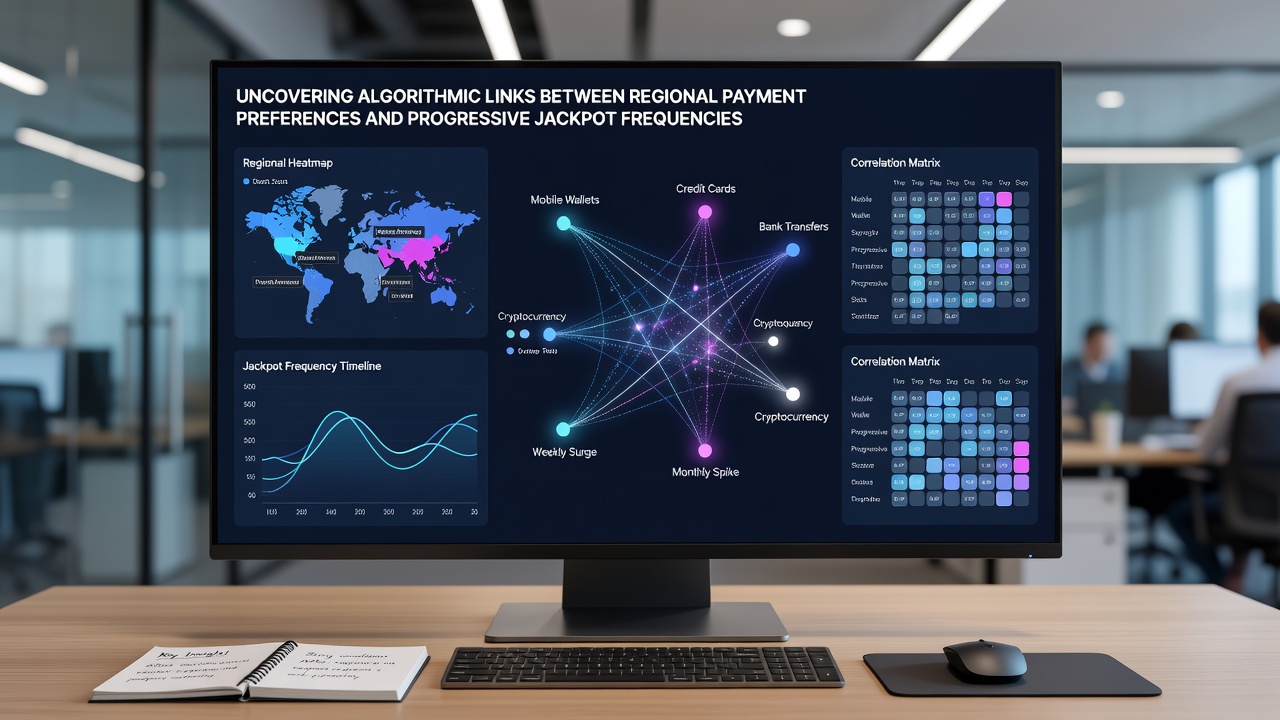
One study released by the European Gaming and Betting Association examined aggregated logs from operators serving multiple language markets. The report found that wallets dominant in Nordic countries linked to slightly elevated jackpot hit rates compared with credit-card-heavy patterns observed in Southern Europe. Similar patterns surfaced in data shared by the Australian Gambling Research Centre, where local bank-transfer preferences aligned with steadier accumulation curves before resets occurred.
September 2026 Platform Updates and Observed Shifts
Network operators rolled out revised algorithms in early September 2026 that incorporated real-time payment preference signals into jackpot seeding logic. The changes allowed pools to adjust contribution rates based on the proportion of users selecting particular regional methods during a given hour. Early results indicate that these adjustments produced more uniform frequency distributions across language versions, reducing the gaps previously noted between high-volume and low-volume payment clusters. Technicians continue to monitor whether the modifications hold as user volumes fluctuate through the remainder of the year.
Implications for Network Operators and Regulators
Operators use the uncovered links to calibrate marketing campaigns that direct users toward payment options already associated with desired jackpot rhythms. Regulatory bodies in several jurisdictions request summary statistics on these correlations to verify that progressive systems remain fair across all supported languages and regions. Because the algorithms operate on anonymized aggregates rather than individual accounts, privacy frameworks permit the sharing of trend data without exposing personal details. Continued collection through late 2026 will determine whether the September adjustments produce lasting stability or require further tuning.
Conclusion
Algorithmic examination of payment preferences and progressive jackpot frequencies in multilingual mobile poker networks continues to generate new datasets each month. Patterns identified through 2026 demonstrate measurable connections that operators and researchers track with increasing precision. Future updates will likely refine these models further as additional regional payment methods enter mainstream use and as language support expands across platforms.