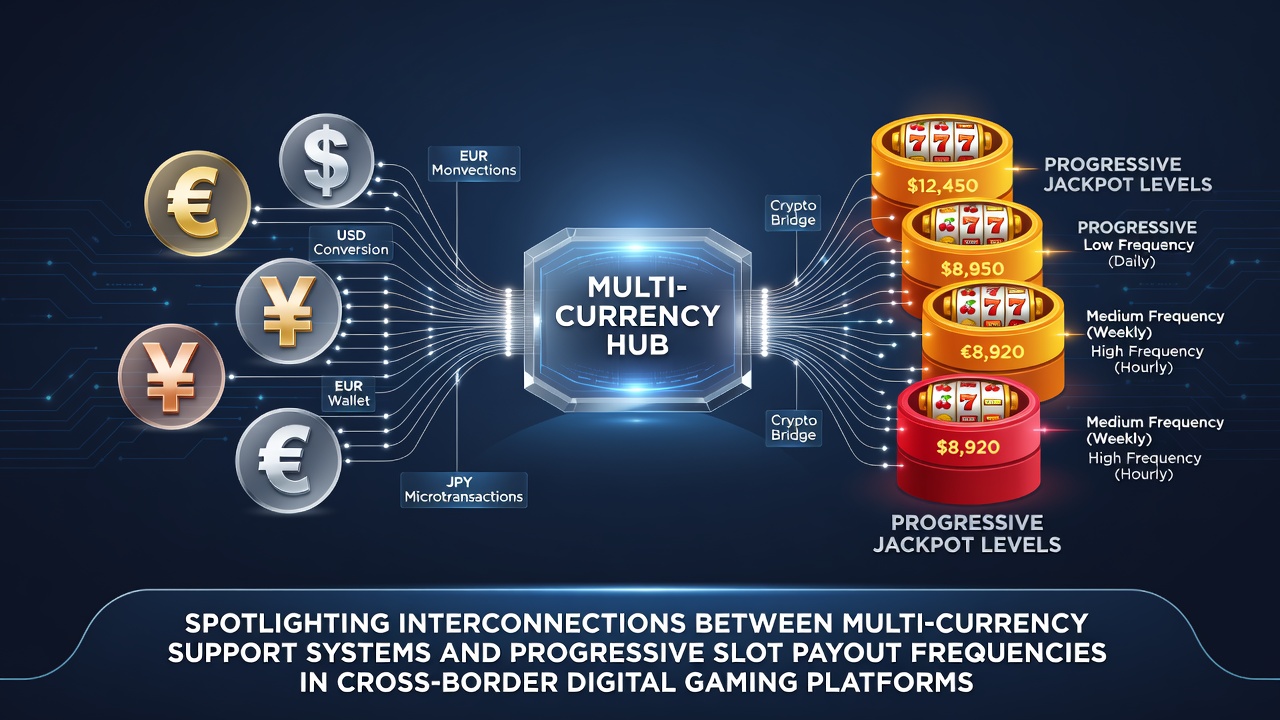
Spotlighting Interconnections Between Multi-Currency Support Systems and Progressive Slot Payout Frequencies in Cross-Border Digital Gaming Platforms
Cross-border digital gaming platforms rely on multi-currency support systems that convert bets and jackpots in real time while progressive slot networks accumulate contributions from players using different currencies and these two elements interact through exchange rate mechanisms, regulatory compliance layers, and software protocols that determine how often large payouts trigger across regions. Data from industry reports in September 2026 shows that platforms operating in multiple jurisdictions processed over 40 percent of progressive slot wagers in currencies other than the base jackpot currency, creating measurable effects on payout frequency calculations.
Core Components of Multi-Currency Systems
Multi-currency support begins with backend ledgers that maintain separate balances for each supported currency while linking every transaction to a centralized progressive pool through fixed or floating exchange rates, and operators must update these rates at intervals set by financial regulations in each market. Research indicates that platforms using real-time API feeds from banking partners adjust rates every fifteen minutes during peak hours, which prevents discrepancies that could otherwise delay jackpot contributions or trigger compliance reviews.
Those who manage cross-border operations note that currency conversion layers sit between the player interface and the slot engine, so a bet placed in euros converts to the progressive pool's base currency before the contribution percentage applies, and the reverse process occurs when a win pays out in the player's original currency. This two-way flow introduces latency measured in milliseconds, yet it also generates audit trails that regulators require for transparency.
Progressive Slot Mechanics Across Borders
Progressive slots increase their jackpot total with every qualifying bet regardless of currency, yet the frequency of payouts depends on how quickly the pool reaches its configured trigger point after accounting for currency fluctuations. Figures reveal that networks spanning the European Union, Canada, and Australia recorded average trigger intervals of 14 days for major progressives in the third quarter of 2026, compared with 11 days on single-currency domestic platforms during the same period.
Data Patterns Observed in 2026
Operators tracking September 2026 activity found that platforms supporting five or more currencies experienced a 7 percent reduction in monthly payout events for the largest progressive tiers because conversion spreads and rounding rules occasionally kept the pool below the threshold longer than expected. At the same time, smaller progressive pools on the same platforms triggered 12 percent more often, since minor currency adjustments sometimes pushed those pools over their lower targets.
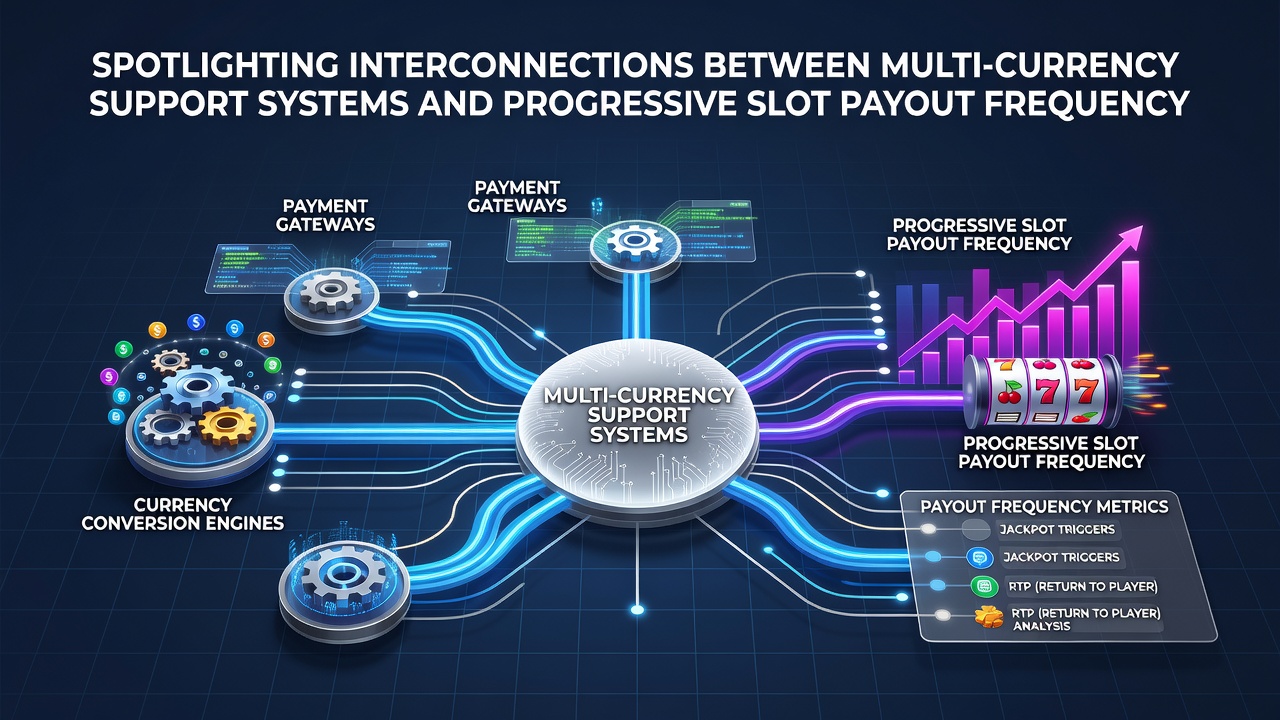
Regulatory and Technical Intersections
Regulators in multiple jurisdictions require that progressive contributions remain consistent regardless of the currency used, so platforms implement rounding protocols and minimum contribution floors that protect the integrity of the pool. The Malta Gaming Authority and the Alcohol and Gaming Commission of Ontario both mandate that operators submit monthly reconciliation reports detailing how exchange rates affected jackpot growth, and these reports show that platforms using mid-market rates rather than retail bank rates maintained closer alignment between expected and actual payout frequencies.
Technical teams integrate currency modules with random number generators and jackpot controllers through standardized protocols such as those promoted by the International Gaming Technology Association, and this integration ensures that each converted bet receives the correct contribution percentage without introducing bias into the outcome sequence. Studies from academic gaming research groups have confirmed that properly implemented systems produce payout distributions statistically indistinguishable from single-currency equivalents over large sample sizes.
Practical Examples from Platform Operations
One network operating across six European and North American markets adjusted its progressive parameters in early 2026 after observing that certain currency pairs created systematic under-contribution during periods of high volatility, and after recalibrating the minimum bet thresholds the network recorded a return to baseline payout frequencies within two months. Observers note that similar adjustments appear in quarterly filings submitted to multiple regulatory bodies, illustrating how operators respond to the interconnection between currency systems and jackpot behavior.
Another case involved a platform that introduced an additional currency in August 2026 and subsequently tracked a temporary 9 percent dip in major progressive triggers until the software updated its rate caching interval, after which frequencies stabilized at levels consistent with pre-expansion data. These examples demonstrate that the relationship between multi-currency support and payout timing remains measurable and correctable through configuration changes rather than fundamental redesigns.
Conclusion
Multi-currency support systems and progressive slot payout frequencies connect through conversion processes, regulatory reporting requirements, and real-time software adjustments that together shape how often jackpots trigger on cross-border platforms, and data collected through September 2026 continues to quantify these effects across expanding markets. Platforms that maintain transparent rate handling and regular recalibration demonstrate consistent performance relative to single-currency benchmarks, while regulatory frameworks in various regions reinforce the need for accurate tracking of every contribution regardless of currency path.