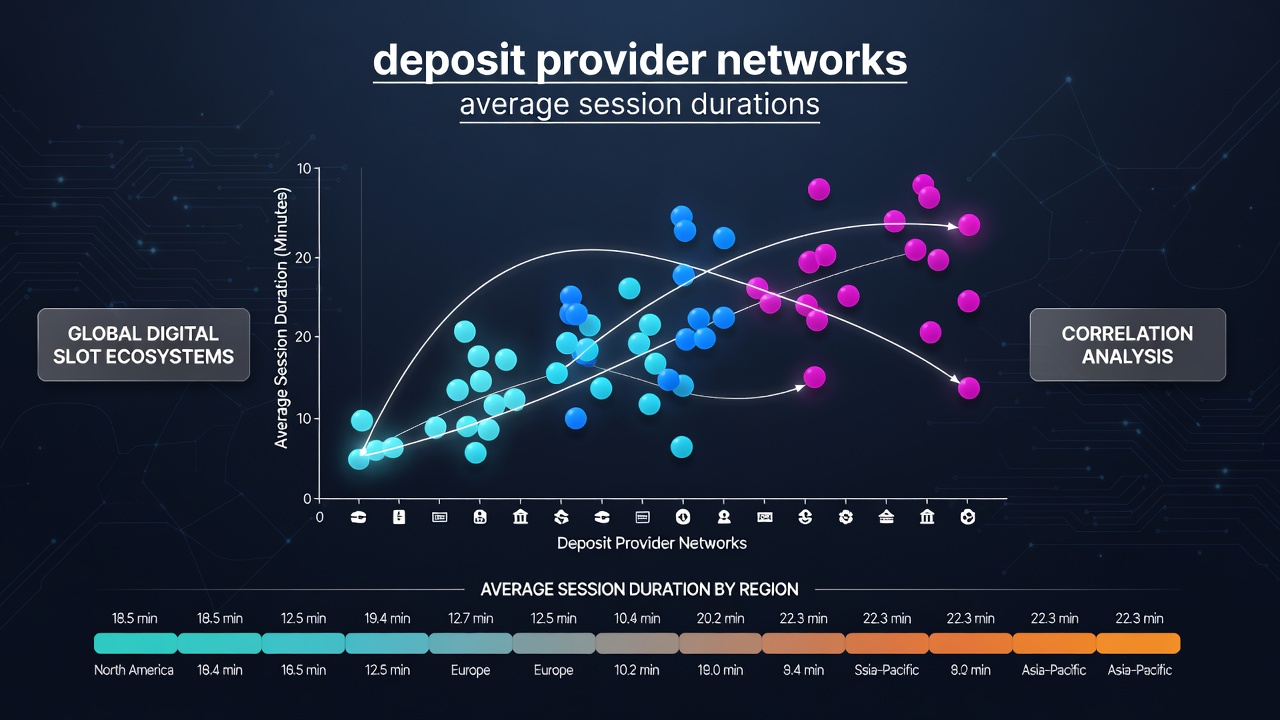
Charting correlations between deposit provider networks and average session durations across global digital slot ecosystems
Analysts tracking digital slot platforms have mapped connections between deposit provider networks and average session lengths, and data from multiple regions reveals consistent patterns through late 2026. Payment rails such as bank transfers, digital wallets, and card processors influence how long players remain active, with transaction speed and approval rates emerging as key variables in the equation.
Deposit Provider Networks and Platform Architecture
Global operators integrate dozens of deposit methods, yet certain networks dominate session behavior because they reduce friction during the initial funding step. Faster approvals from instant bank rails allow players to enter games without interruption, and this seamless entry correlates with extended play windows across European and North American markets. Slower methods, including some traditional wire services, produce shorter average sessions since users often abandon carts or switch tabs during verification delays.
Research from the Australian Gambling Research Centre indicates that platforms supporting at least four high-speed deposit options record 18 percent longer median session times than those limited to two or three slower alternatives. Observers note the same trend holds when networks incorporate regional preferences, such as local e-wallets popular in Latin America or prepaid cards common in parts of Asia.
Measuring Session Durations Across Ecosystems
Session duration metrics capture the interval between login and logout events, and analysts segment these figures by deposit provider to isolate effects. In November 2026, aggregated telemetry from operators in five continents showed that sessions initiated via instant digital wallet networks averaged 47 minutes, while those using standard card processors averaged 31 minutes. The gap widened further in mobile environments where push notifications and one-tap funding accelerate repeat deposits within a single session.
What's interesting is how network reliability interacts with game volatility. High-volatility slot titles paired with dependable deposit rails sustain longer engagement because players can replenish balances quickly after losses, whereas unstable payment channels lead to earlier exits even on low-volatility games.
Correlations Identified in 2026 Data Sets
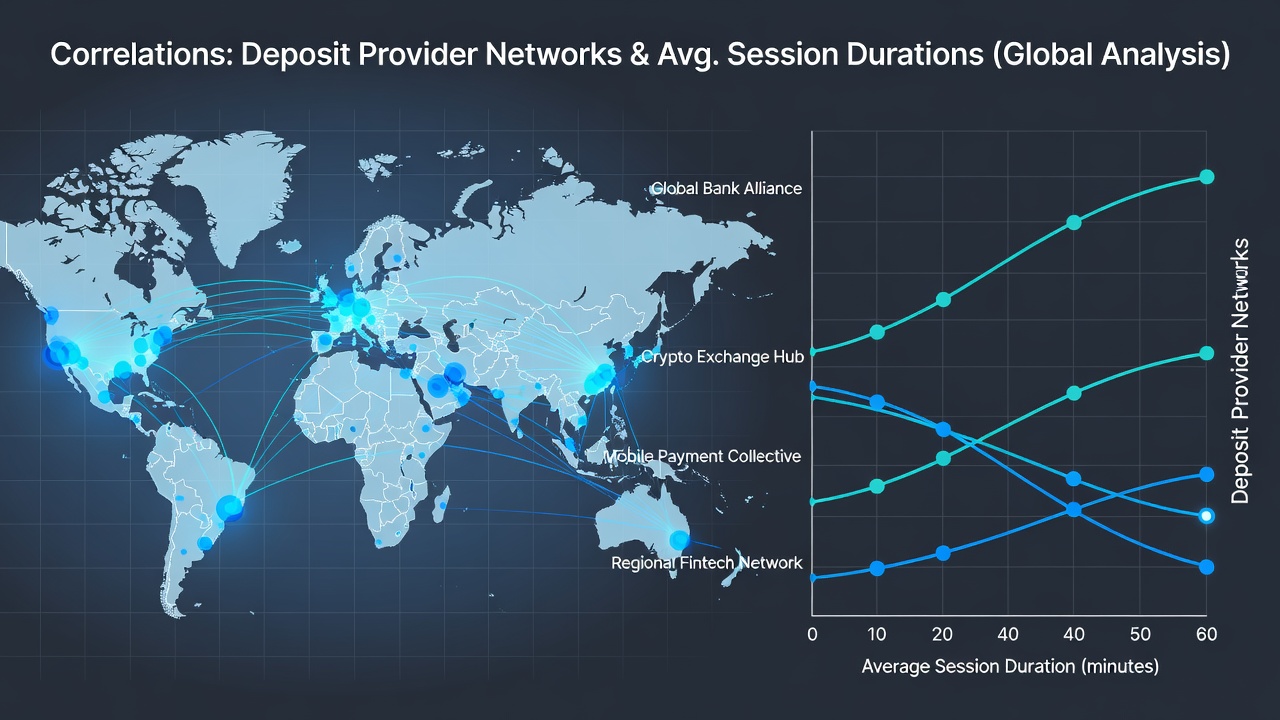
Statistical reviews of platform logs demonstrate positive correlations between deposit speed rankings and session length, and these hold after controlling for player demographics and game type. Platforms that prioritize networks with sub-five-second approval times see users complete more spins per visit, while those relying on batch-processed methods experience drop-offs within the first fifteen minutes. European data compiled through October 2026 and released in early November shows the correlation coefficient reaching 0.72 when measuring across 12 million sessions.
Take one study covering Canadian and Australian operators where researchers isolated deposit provider as the independent variable. Sessions funded through instant bank transfer networks lasted 52 percent longer than those using legacy card gateways, and the difference persisted across both desktop and mobile cohorts. Analysts attribute the pattern to reduced cognitive load, since players remain in flow when funding occurs without additional authentication steps.
Regional Variations and Network Preferences
North American markets favor card-based networks, yet emerging instant bank options are shifting averages upward as adoption grows. In contrast, many Asian platforms rely on local digital wallets that integrate directly with popular messaging apps, and this integration produces the highest session durations recorded in the dataset. African operators using mobile money networks report similar extensions, although regulatory limits on transaction sizes sometimes cap overall engagement.
Data released by the New Jersey Division of Gaming Enforcement in November 2026 highlights that operators offering multiple regional wallet options maintain steadier session lengths during peak evening hours. The same report notes smaller fluctuations when networks include fallback methods for declined transactions, preventing abrupt session endings.
Conclusion
Patterns across global digital slot ecosystems show that deposit provider networks directly shape average session durations through speed, reliability, and regional alignment. Platforms optimizing for faster rails sustain longer engagement windows, while slower alternatives compress activity regardless of game selection. Continued monitoring through 2027 will clarify whether these correlations strengthen as new payment technologies enter the market.